

 Jenny Vergara
Local Food Writer and Proud Chopper Shopper
If 2026 has a mood in the kitchen, it’s intentional pleasure.
We still want sweetness, flavor, and fun, but we want them delivered with purpose. That means desserts that justify their existence, global flavors that feel rooted instead of vague, and meals that engage more than just taste buds.
The common thread? A desire for food that feels good in every sense of the word—physically, emotionally and culturally. Less autopilot eating. More awareness. More texture. More curiosity. And above all, more payoff per bite.
Here are the final three food trends for 2026.
Mindful sweets means less sugar, better payoff
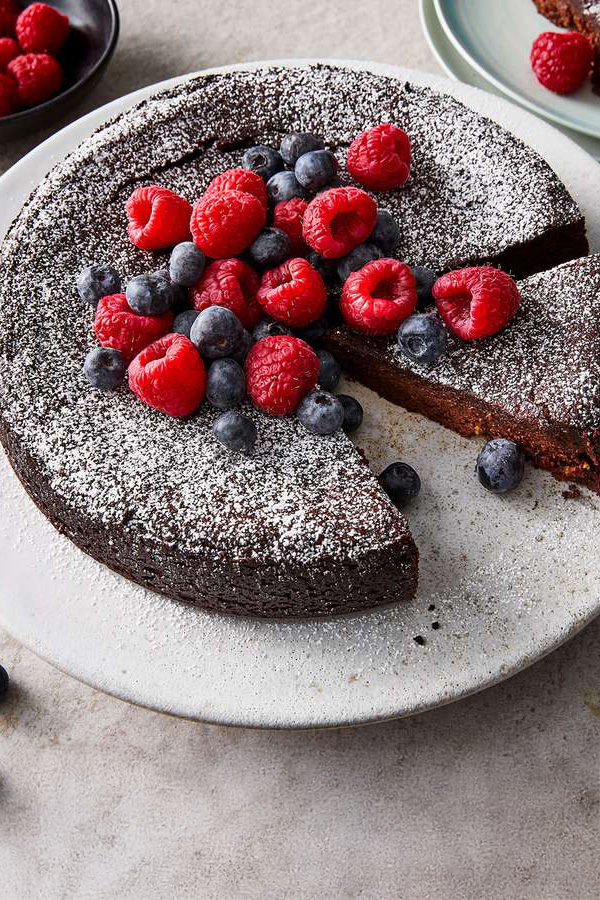
Instead of “no sweets,” the vibe is “worth it sweets.” Trend forecasts point to sweets that are more intentional, smaller, higher quality, sometimes with functional angles.
What you’ll see at the store
Lower-sugar desserts that still feel indulgent
Frozen DIY dessert culture continuing to grow (at-home frozen treat gadgets that make fresh fruit into soft serve ice cream and protein-friendly recipes made with yogurt or cottage cheese)
What you’ll cook at home
One really good cookie instead of six mediocre ones
Yogurt bowls that blur into dessert with pistachio, citrus, and spicy honey
Why it’s happening
- People want pleasure, but they also want to feel good afterward. (This is a very 2026 sentence.)
Global gets more specific and less “watered down”
Flavor authorities are calling out a shift away from broad, Americanized “global” flavors toward more specific regional cues, ingredients, and techniques.
What you’ll see at the store
More region-specific sauces, noodles, spice blends, and frozen food – think international flavors inspired by a specific region of the world, like West African, Northern Thailand or the Abruzzo Region of Italy
More multicultural cuisines and products from grocers responding to how people actually eat now
What you’ll cook at home
More “one new ingredient” nights where you try a new chili paste, a new vinegar or a new noodle type
More meals that are pantry-led but globally seasoned
Why it’s happening
- Social media, travel curiosity, and a more diverse eating public are pushing brands to do better than “teriyaki-ish.”
Sensory food means more crunch, fizz, texture, aroma because eating should be fun
This prediction highlights the intentionally around sensory products or multisensory experiences that go beyond novelty and tie pleasure to wellness and emotional satisfaction.
What you’ll see at the store
Texture-forward snacks (crunch, pop, aeration, layered bites)
Products designed for “the experience” as much as the flavor
What you’ll cook at home
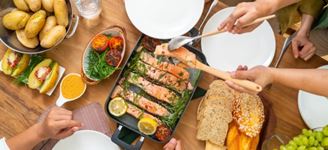
More toppings culture, adding toasted seeds, crispy onions, crunchy chili oil, pickled garnish to your dishes for texture
More “build-your-own” bowls and boards
Why it’s happening
Food is still one of the most accessible forms of joy and people are still hungry for a little joy and whimsy.
What does this mean for 2026?
Together, these trends point to a more thoughtful kind of enjoyment. Mindful sweets prove that indulgence doesn’t have to mean excess. More specific global flavors reflect a growing respect for authenticity and a public that’s ready to explore beyond the familiar. Sensory-driven food reminds us that crunch, fizz, aroma and contrast are not extras—they’re part of what makes eating satisfying in the first place.
In 2026, we’re not chasing bigger plates or louder flavors. We’re chasing meaning, texture and depth. Food isn’t just fuel or entertainment—it’s experience. And the most exciting meals ahead will be the ones that deliver joy with intention.

Jenny Vergara is a local food columnist for IN Kansas City Magazine, founder of Test Kitchen Underground Supperclub and co-host of the Hungry For MO podcast. She is a respected food and beverage industry consultant and commercial real estate agent with Nomad Develops specializing in the hospitality sector.
Her goal is to make you hungry! Find her on Facebook and Instagram.